Comprehensive overview in simple language — what the disease is, who's at risk, how it begins and what the difference is between its various forms.
Simple explanation of what the disease is, how it affects the lungs and body, and what distinguishes it from other lung diseases.
Key risk factors — smoking, exposure to environmental pollutants, genetics and more.
The biological and environmental reasons behind the disease and how they affect lung function.
The first steps toward diagnosis — when to see a doctor and which tests they may order.
The two main conditions under the COPD umbrella: how they differ and what it means for treatment.
What's similar and different between these two diseases, when they appear together (ACOS), and how it affects treatment.
How the disease manifests after age 65, what daily challenges develop, and what families should know.
The disease's impact on work, social life, physical activity and family relationships — and how to continue living fully.
Women are sometimes diagnosed later and suffer more. Why does this happen and what can be done?
"Only smokers get it" and other common claims — what's true and what's false.
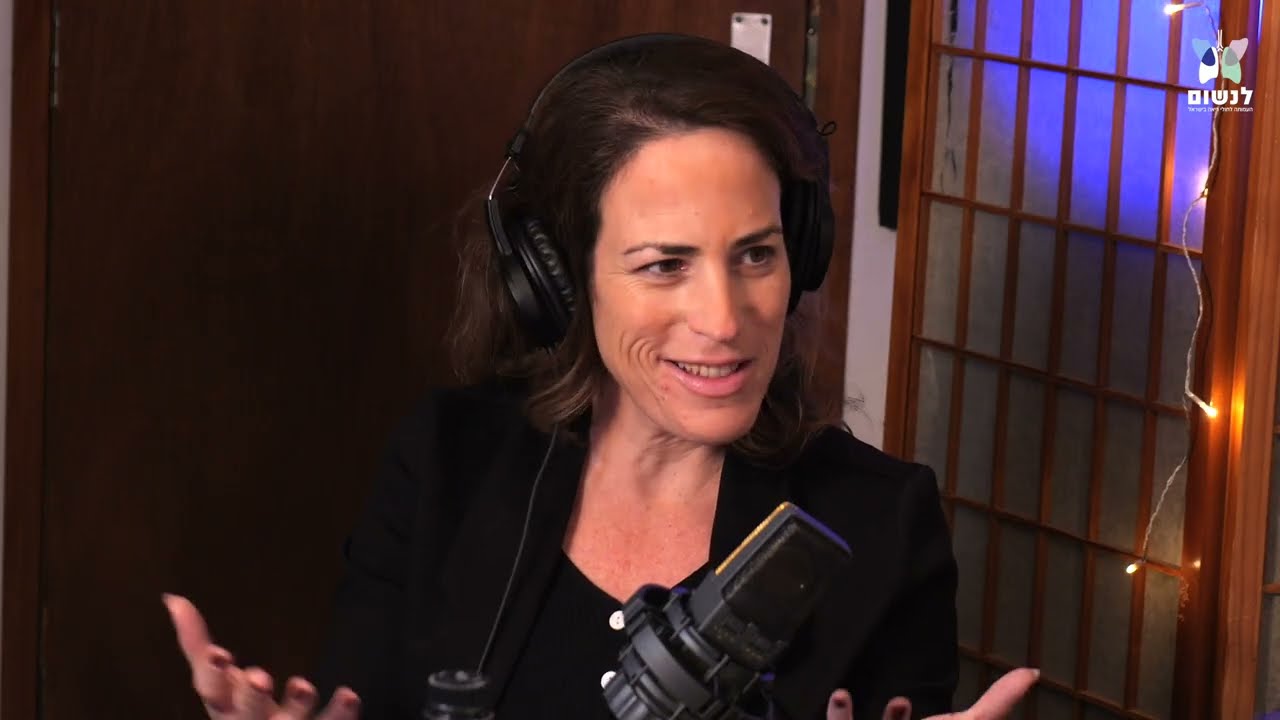
Episode 2 of Breathing Conversations — Dr. Lilach Israeli-Shani in conversation with Rivka Bager, who has lived with COPD for 11 years, about treatment persistence, pulmonary rehabilitation and emotional support.
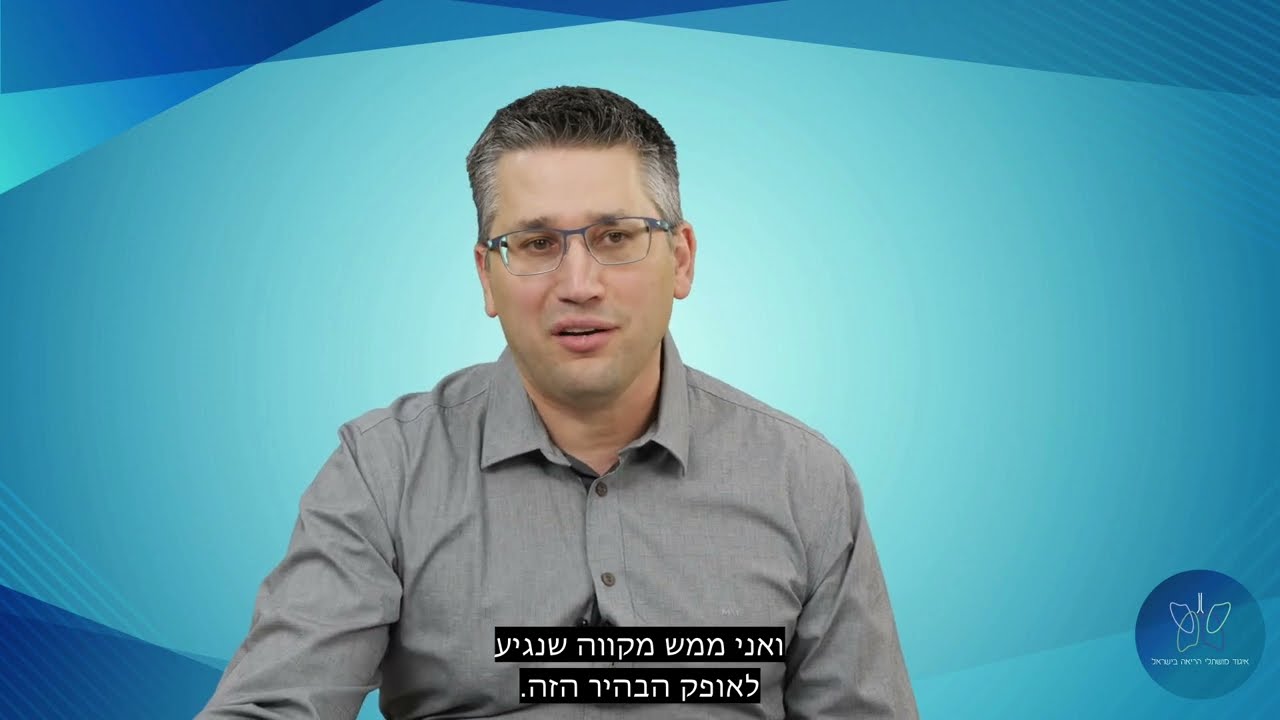
Dr. Uri Vand, Director of the Lung Institute at Barzilai Medical Center, in a comprehensive lecture on the disease — causes, symptoms, diagnosis, treatment strategies and living with the disease.
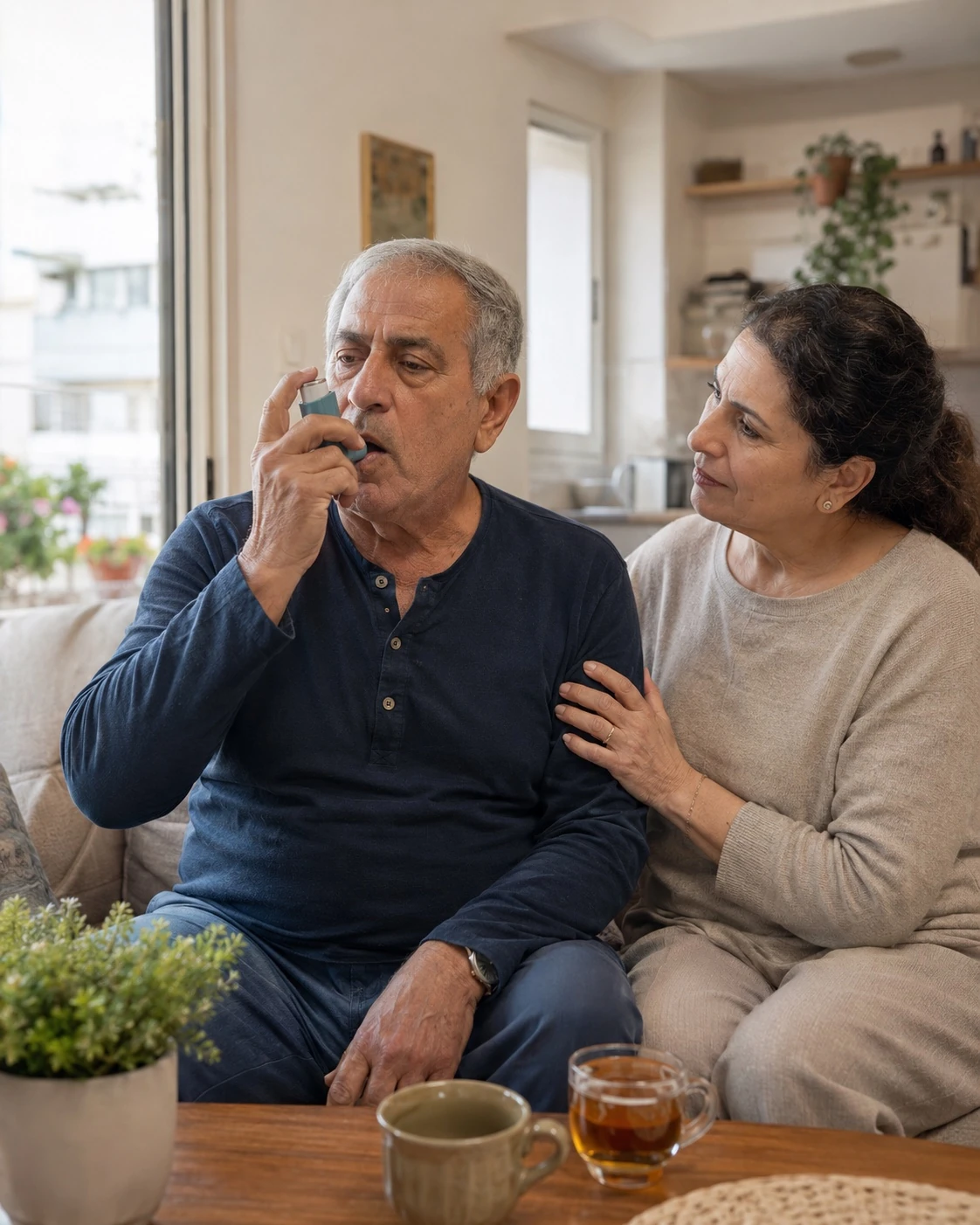
How to support a patient properly, what to do during exacerbations, how to recognize warning signs, and how to care for yourself in the process — a practical guide for families and caregivers.
Read the GuideChronic cough, shortness of breath during exertion, sputum — when symptoms require professional investigation.
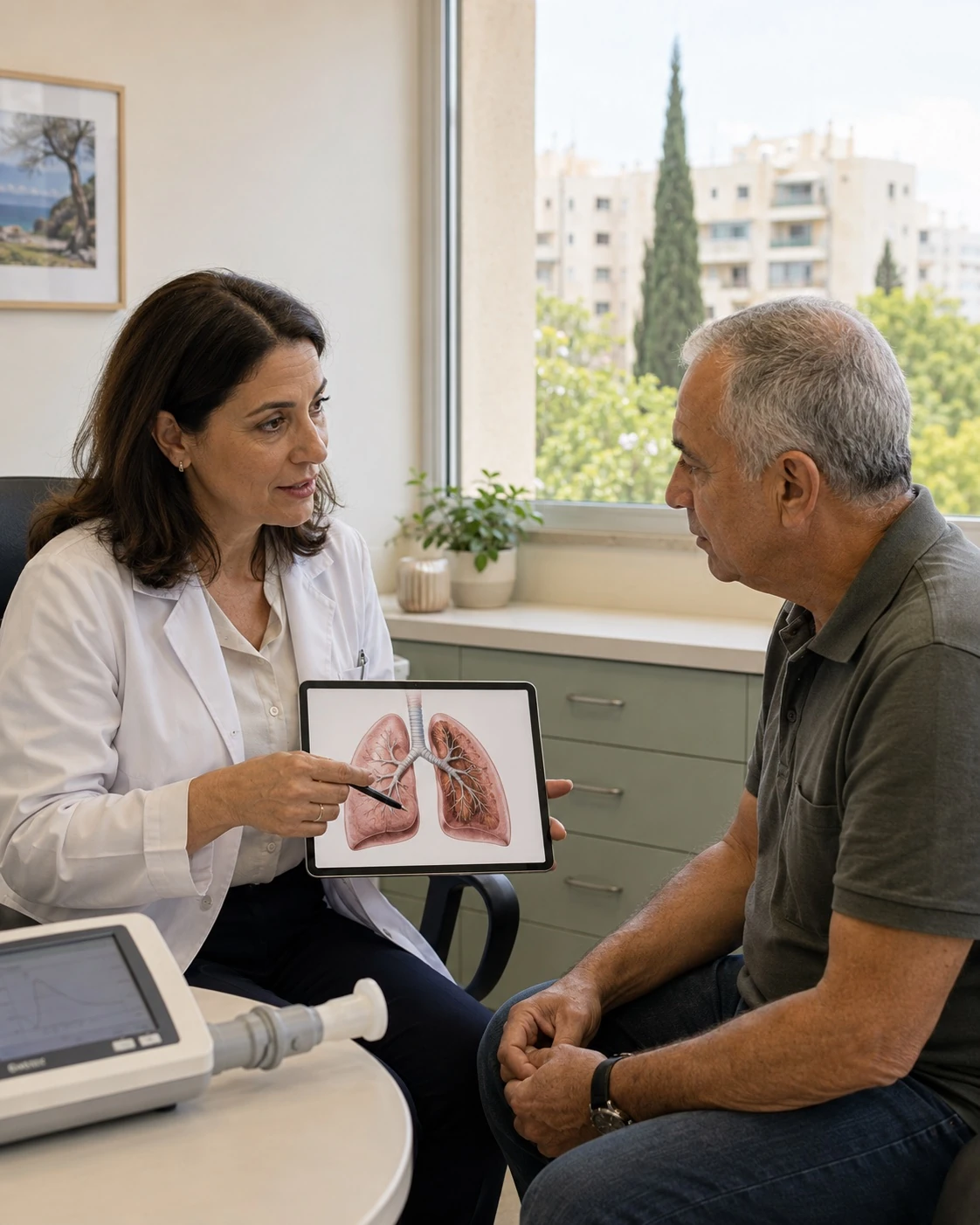
The diagnostic process begins with your family doctor and continues with a pulmonologist. What does the evaluation include?
The key test for diagnosis, how it's performed and what the results mean.
GOLD classification of the four stages of the disease and what each stage means for quality of life.
What exacerbations are, how to recognize them and when to seek emergency help.
COPD is short for Chronic Obstructive Pulmonary Disease, or in English, "chronic obstructive lung disease." It's a chronic lung disease involving narrowing of the airways and damage to lung tissue, causing progressive shortness of breath over time.
Mainly smokers and former smokers, but also those exposed to chronic air pollution, occupational dust, or who have a genetic background like alpha-1 antitrypsin deficiency.
No. COPD is not contagious, but COPD patients are more vulnerable to respiratory infections — so routine vaccinations are especially important.