Introduction
Receiving a diagnosis of a chronic disease like COPD can feel like a moment when the ground is pulled out from under your feet. There are lots of new medical terms, questions about the future, and sometimes breathing difficulty that causes anxiety. This guide is designed to make sense of it all. We wrote it so you can understand exactly what's happening in your body, what treatments exist today, and how you can continue to live a full, active and good life—because it's absolutely possible. Take a deep breath, we're starting.
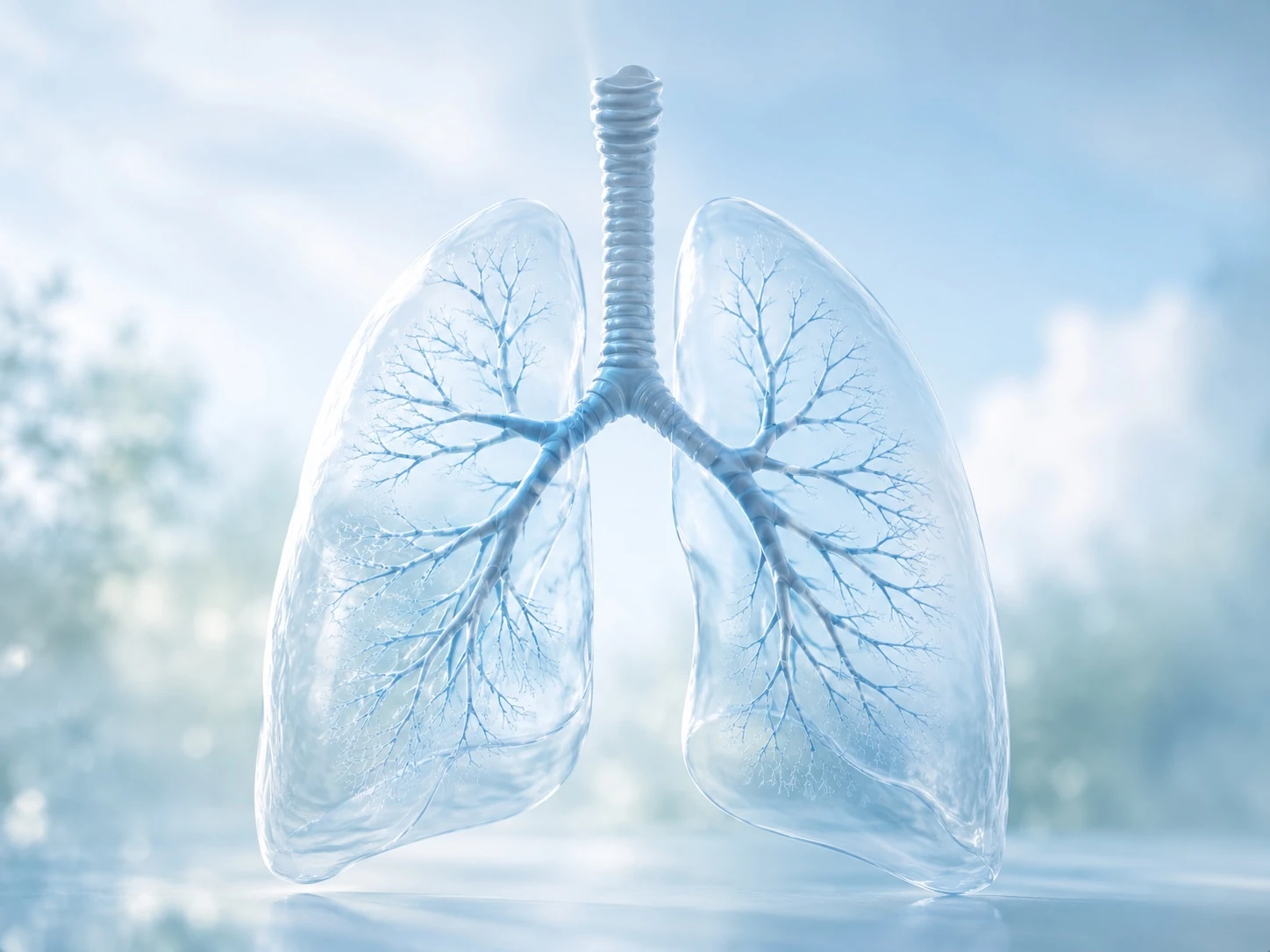
What Exactly is COPD?
COPD (in English: chronic obstructive pulmonary disease, or "chronic obstructive lung disease") is not one disease, but a family of lung diseases that make it hard for air to flow out of the lungs. When we talk about COPD, we usually mean one of two conditions (or a combination of them):
Why Did This Happen to Me? (And a Place to Release Guilt)
The main factor of the disease is prolonged exposure to cigarette smoke—active or passive. However, it's important to know that up to a quarter of patients never smoked. The disease can develop due to working for years in an environment with chemicals or dust, heavy exposure to air pollution, or even due to a genetic deficiency in a certain protein that protects the lungs (a condition called alpha-1 antitrypsin deficiency).
Many patients carry heavy feelings of guilt and shame, especially if they smoke or have smoked. These feelings can cause depression and prevent treatment. Our goal now is not to find "guilty parties" in the past, but to focus on what can be done today to improve your condition. Let go of guilt.
Warning Signs: When to See a Doctor?
Most often, the disease develops very slowly. People tend to dismiss the first signs with phrases like "it's just age" or "I'm just not in shape."
How It's Diagnosed and What Stages Are There?
To know for sure, your doctor will refer you for spirometry (a breathing function test). This is a simple, painless and quick test where you'll be asked to exhale forcefully into a tube. The test measures your lung volume and the speed at which you exhale air.
Based on the test results and your symptoms, your doctor will determine your disease stage:
- Stages 1 and 2 (mild to moderate disease): Mild airflow obstruction, some cough, and shortness of breath mainly during activity. This is the best time to start treatment that slows disease progression.
- Stages 3 and 4 (severe to very severe disease): Shortness of breath is felt even during simple activities, and more cases of "exacerbations" requiring medical treatment and sometimes hospitalization.
Our Toolbox: Treatment Options
Although COPD is a chronic disease that doesn't go away, there are many ways to live with it in peace and ease symptoms. Here are the main treatments:
- Quit Smoking: This is the best medicine. Even if you've already been diagnosed, quitting smoking dramatically slows lung deterioration.
- Inhalers: This is the main line of defense. There are bronchodilator inhalers that help relax the muscles around the airways and open them. There are also inhalers with steroids whose job is to reduce inflammation and swelling. Usually they are combined as needed.
- Pulmonary Rehabilitation: A wonderful program offered by health funds. A team of specialists, physiotherapists and nutritionists will teach you breathing exercises, help you strengthen your muscles and teach you how to live properly with the disease and save energy.
- Advanced Treatment (Oxygen and Surgery): At advanced stages when the lungs struggle to get enough oxygen into the blood, home or portable oxygen concentrators are used, which significantly improve quality of life and often extend life. In extreme cases there are surgical options.
Managing Everyday: Stay in Control
Proper disease management at home is key to good living. Here are some core principles worth adopting:
- Energy Planning: Having trouble organizing in the morning? Prepare your clothes the evening before. Do activities while sitting (like shaving or folding laundry) and don't try to do everything at once. Save your energy for what really matters to you.
- Adapted Diet: Heavy meals can make breathing harder. Prefer small and frequent meals. Eat food rich in fiber and maintain a normal weight—not excess (which burdens the lungs) and not deficient (which weakens the body).
- Infection Prevention: Since the lungs are sensitive, even mild flu can become complicated into an "exacerbation" (sudden worsening of symptoms). It's very important to get flu and pneumonia vaccinations annually, wash your hands and avoid close contact with sick people.
- Good Sleep: It's hard to sleep when it's hard to breathe. Try sleeping with your head raised slightly (with pillows), avoid caffeine in the evening, and if your doctor recommended a breathing support device for night (such as CPAP or BiPAP)—be sure to use it.