
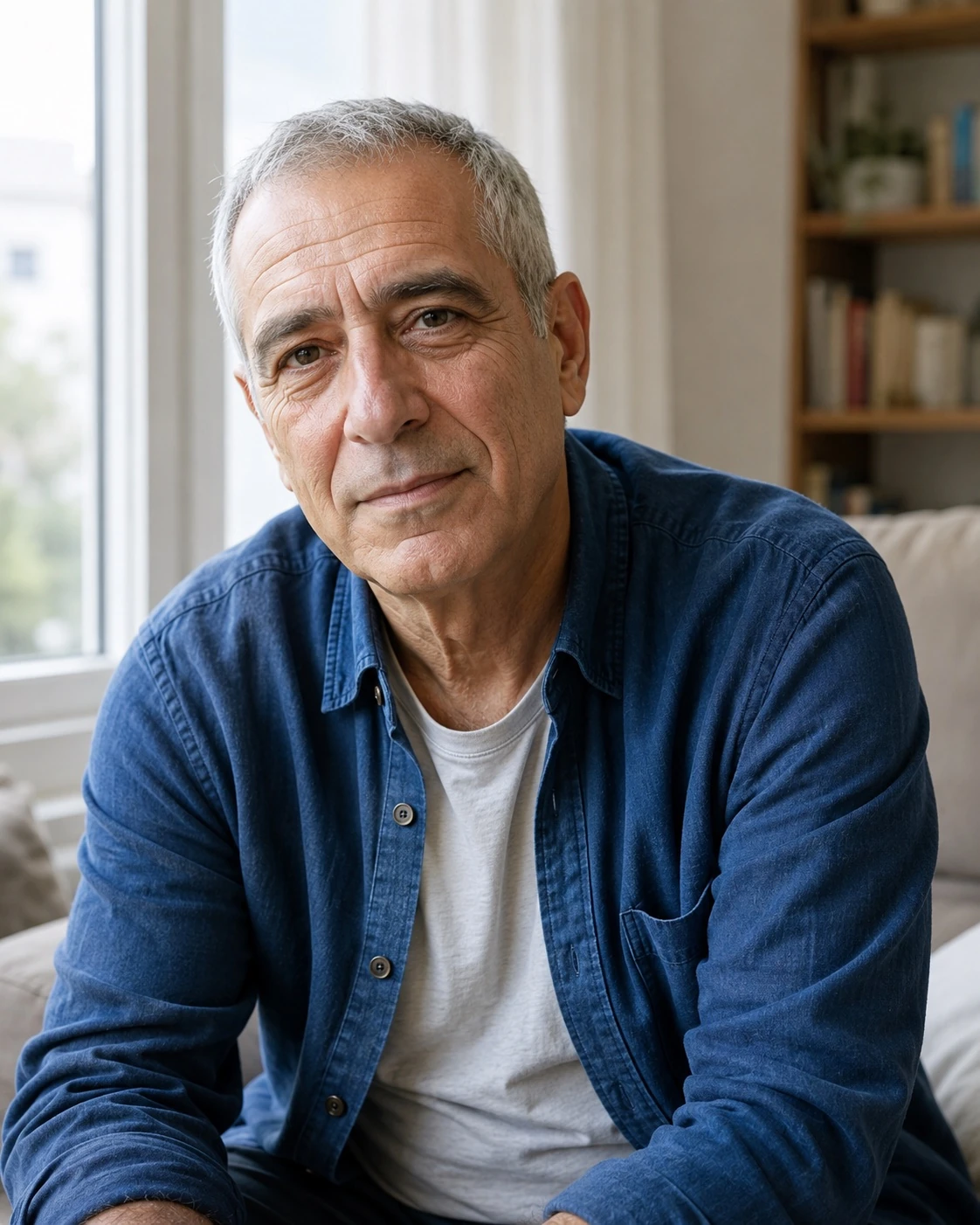
"I smoked for 40 years. Only when I quit did I understand how much my lungs were suffering."
Read Full StoryComplete Guide
Chronic Obstructive Pulmonary Disease
The complete guide to COPD for patients, family members, and healthcare professionals. Reliable, practical and clear information — from diagnosis, through treatment, and to daily life with the disease.
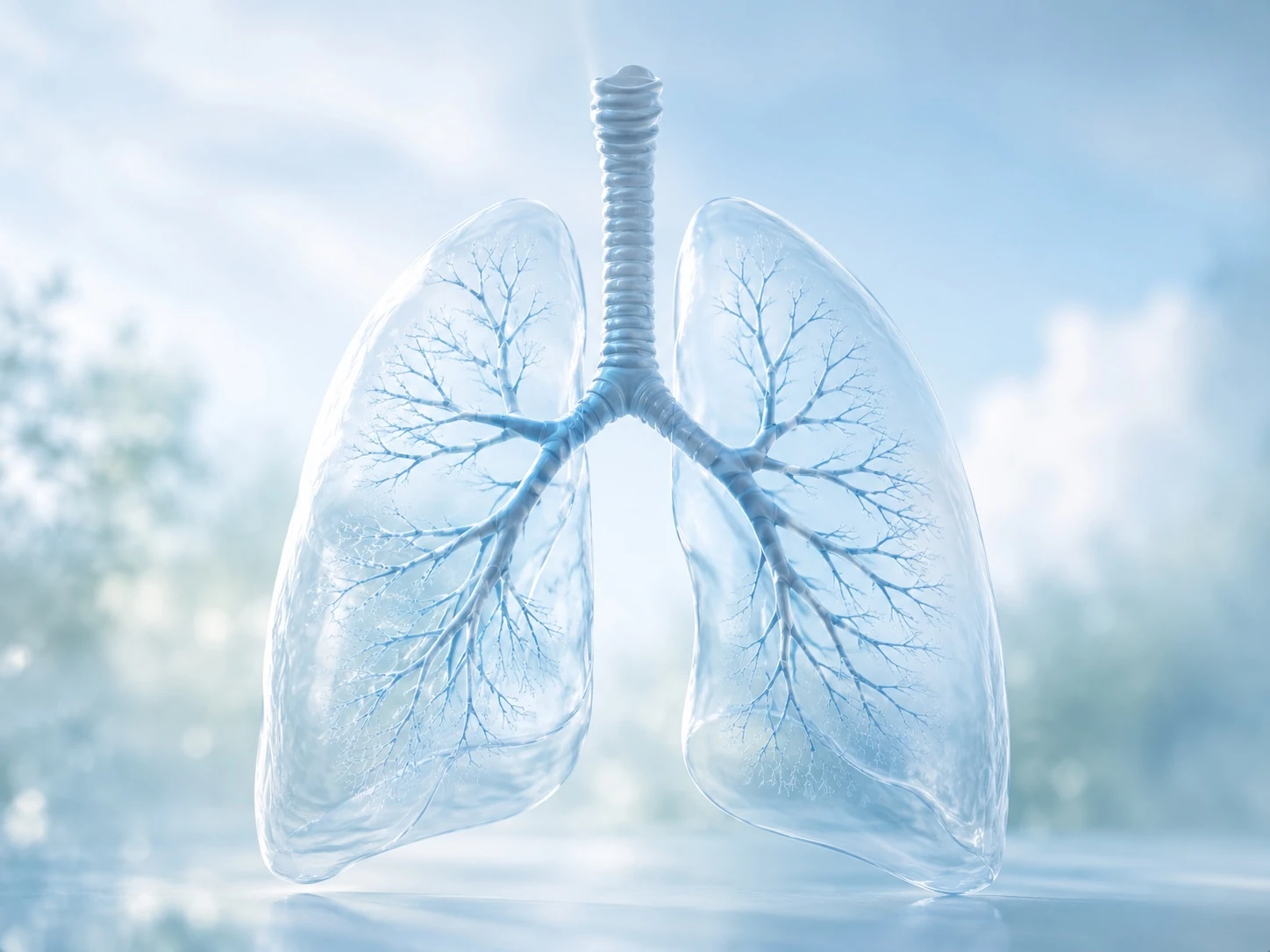
Simple explanation of what the disease is, how it affects the lungs and body, and what distinguishes it from other lung diseases.
Key risk factors — smoking, exposure to environmental pollutants, genetics and more.
The biological and environmental reasons behind the disease and how they affect lung function.
The first steps toward diagnosis — when to see a doctor and which tests they may order.
The two main conditions under the COPD umbrella: how they differ and what it means for treatment.
Chronic cough, shortness of breath during exertion, sputum — when symptoms require professional investigation.
The diagnostic process begins with your family doctor and continues with a pulmonologist. What does the evaluation include?
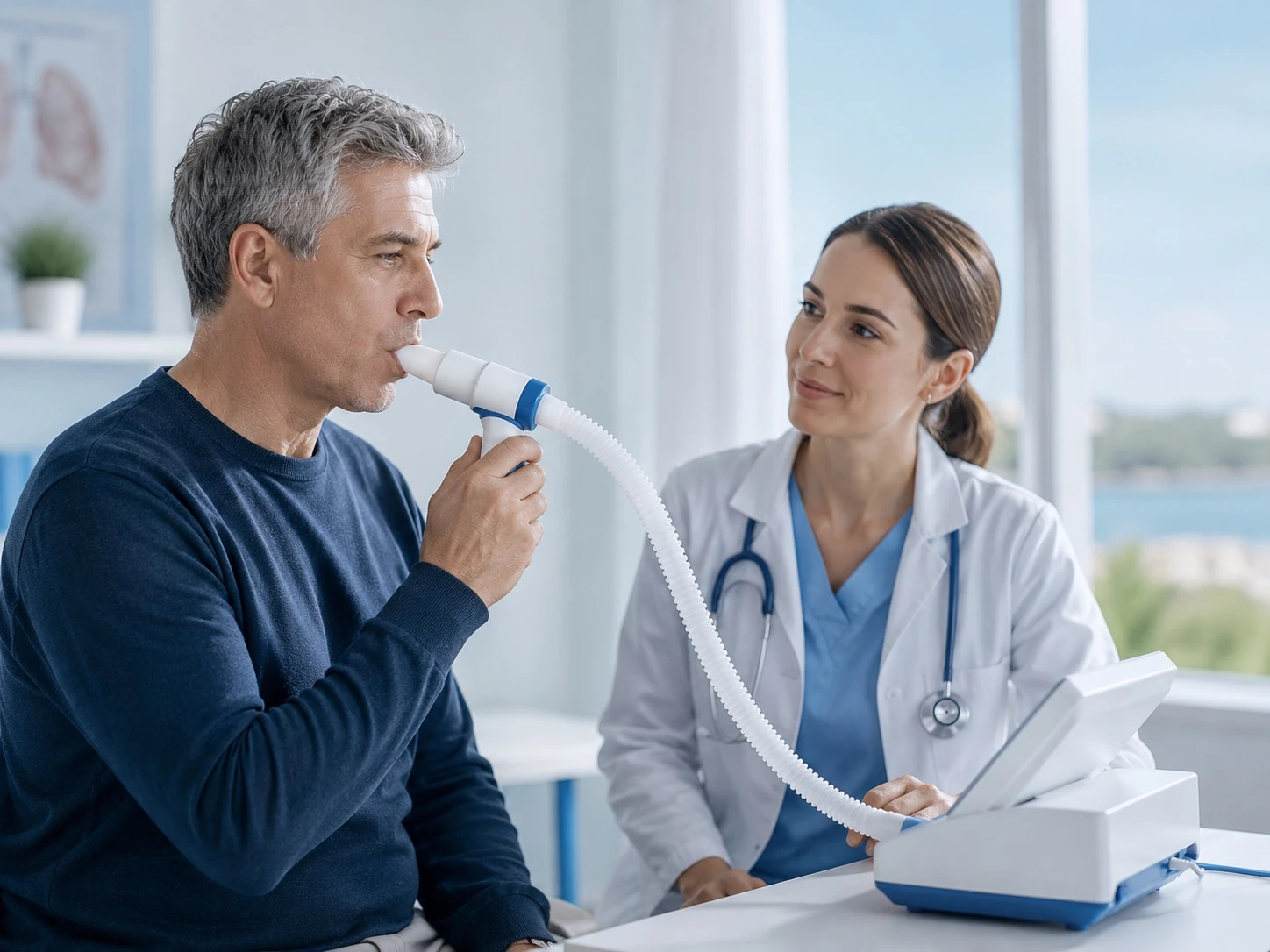
The key test for diagnosis, how it's performed and what the results mean.
GOLD classification of the four stages of the disease and what each stage means for quality of life.
What exacerbations are, how to recognize them and when to seek emergency help.
Established treatment principles — bronchodilators, inhaled steroids, and combination therapy.
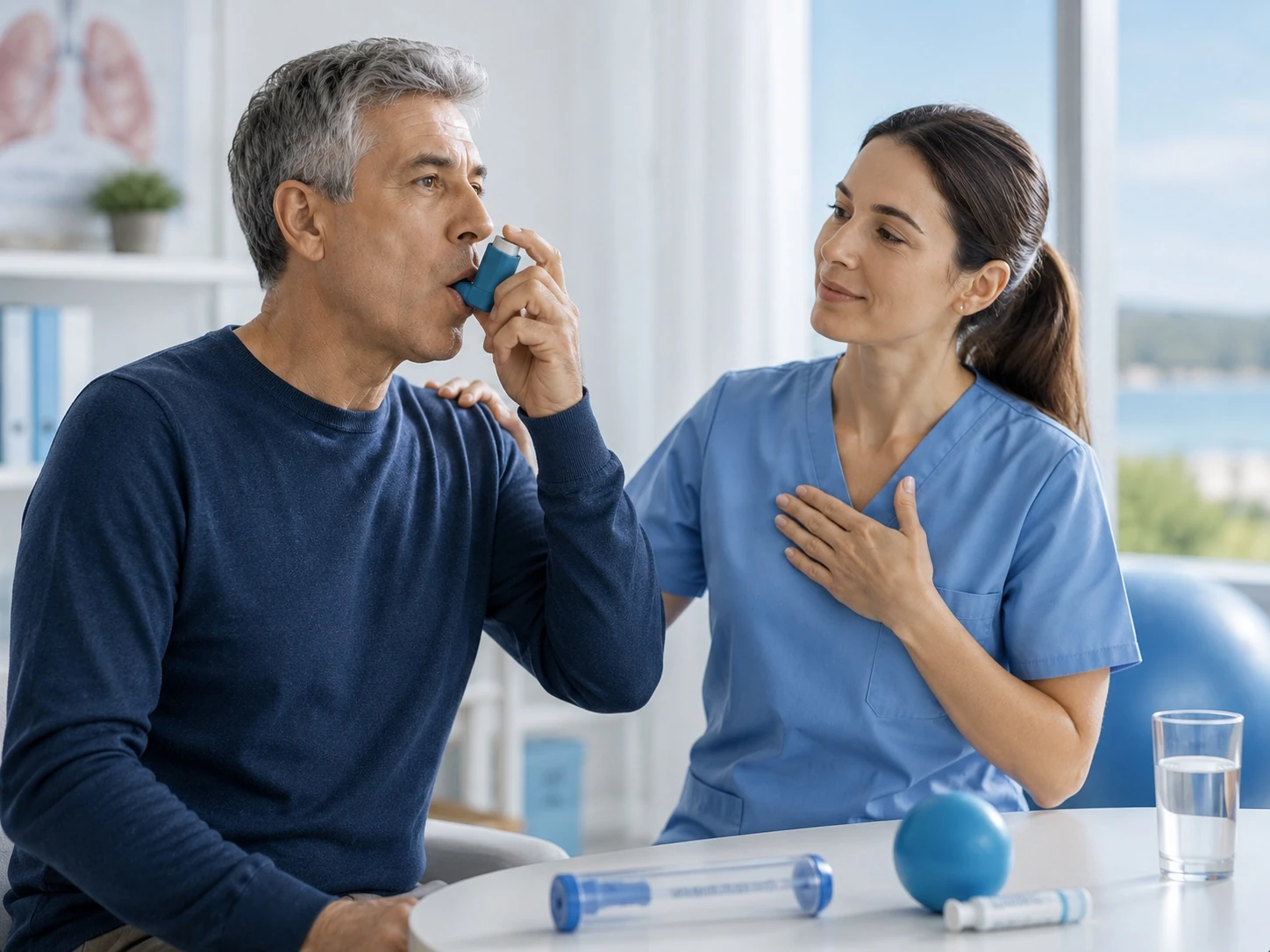
Types of inhalers, how to use them correctly, and tips for staying consistent with treatment.
Pulmonary rehabilitation programs — what they include and why they help quality of life.
When oxygen therapy is needed, how it affects daily life, and patient rights.
How to plan meals that support breathing, energy, and the ability to manage the disease daily.
Which activities are recommended, what to avoid, and how to build a realistic movement routine even with shortness of breath.
How COPD affects sleep, tips for improving night rest, and the role of CPAP/BiPAP devices.
Distress and depression are common in COPD patients. How to recognize them, where to get help, and what the community offers.
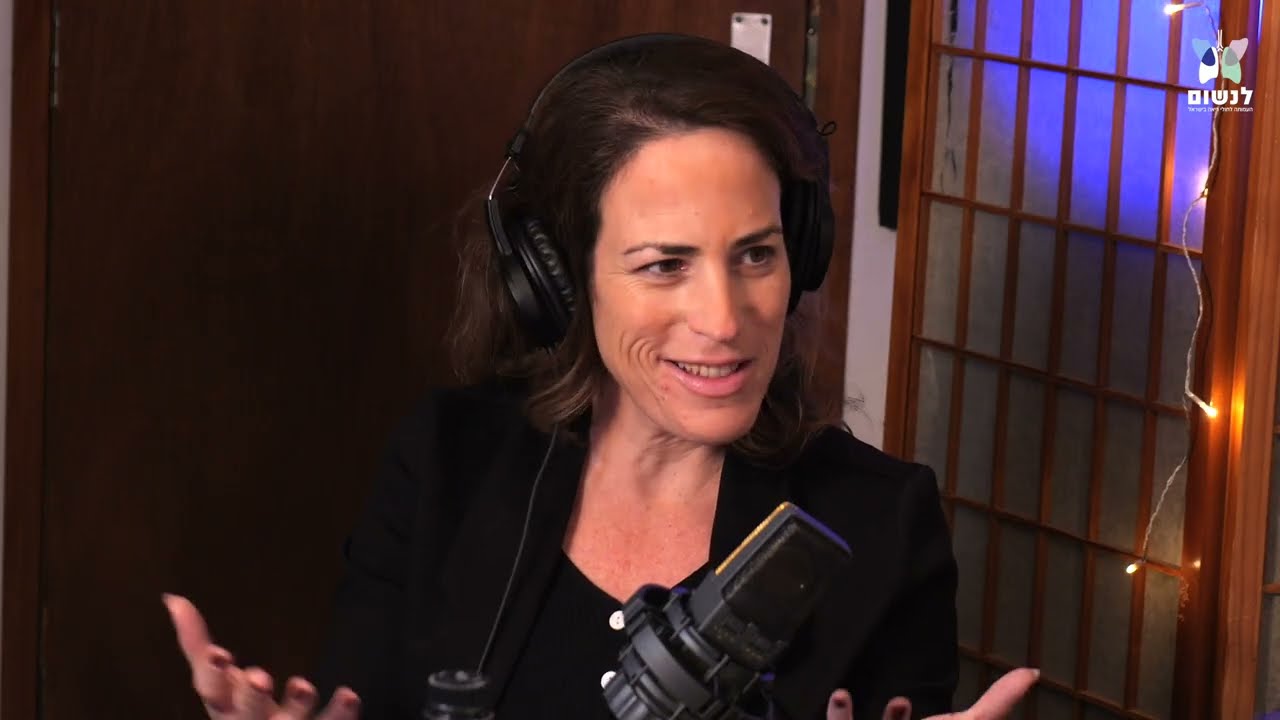
Episode 2 of Breathing Conversations — Dr. Lilach Israeli-Shani in conversation with Rivka Bager, who has lived with COPD for 11 years, about treatment persistence, pulmonary rehabilitation and emotional support.
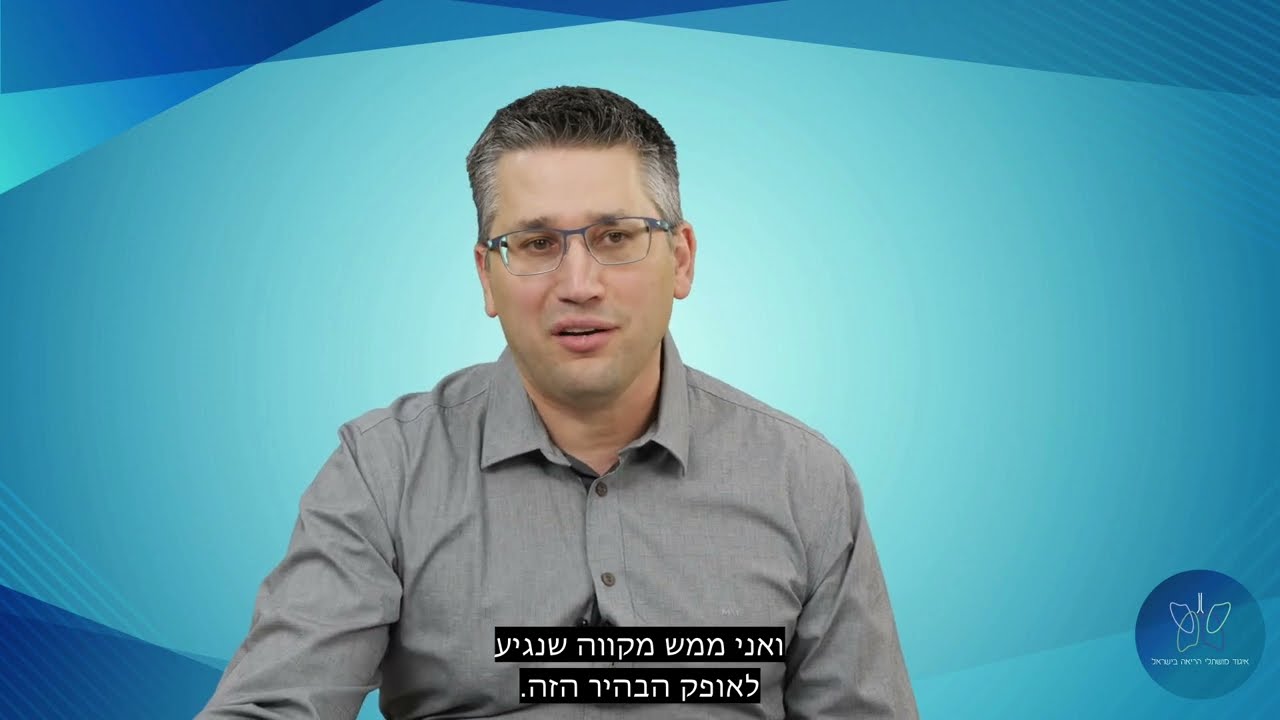
Dr. Uri Vand, Director of the Lung Institute at Barzilai Medical Center, in a comprehensive lecture on the disease — causes, symptoms, diagnosis, treatment strategies and living with the disease.
How to support a patient properly, what to do during exacerbations, how to recognize warning signs, and how to care for yourself in the process — a practical guide for families and caregivers.
Read the GuideCurrently, COPD is a chronic disease that cannot be cured, but appropriate treatment can significantly slow its progression and improve quality of life. Quitting smoking is the most critical step.
The largest group at risk is smokers and former smokers. Also, prolonged exposure to air pollutants, occupational dust, or genetic background such as alpha-1 antitrypsin deficiency can cause COPD.
No. COPD is not contagious. However, COPD patients are more vulnerable to respiratory infections, so routine vaccinations (flu, pneumococcal, COVID, RSV) are especially important.
An exacerbation is a sudden worsening of symptoms — severe shortness of breath, change in sputum, fever. In such a case, you should see a doctor or go to the emergency room immediately. Repeated exacerbations accelerate disease progression.
Yes, adapted physical activity is an important part of treatment. Pulmonary rehabilitation programs offer professional guidance to build a safe and effective program for your specific situation.
Breathing techniques (pursed-lip breathing, diaphragmatic breathing), slow pace with daily tasks, and learning to recognize which efforts require breaks. Pulmonary rehabilitation teaches all of this.
Recommended vaccinations: flu (annually), pneumococcal, COVID (per current recommendations), and RSV. Vaccinations reduce the risk of exacerbations and hospitalization.
Lung transplantation is an option for patients in advanced stages of the disease, when lung function has declined significantly and medication is not enough. The decision is made jointly with the medical team at Beilinson or Sheba.
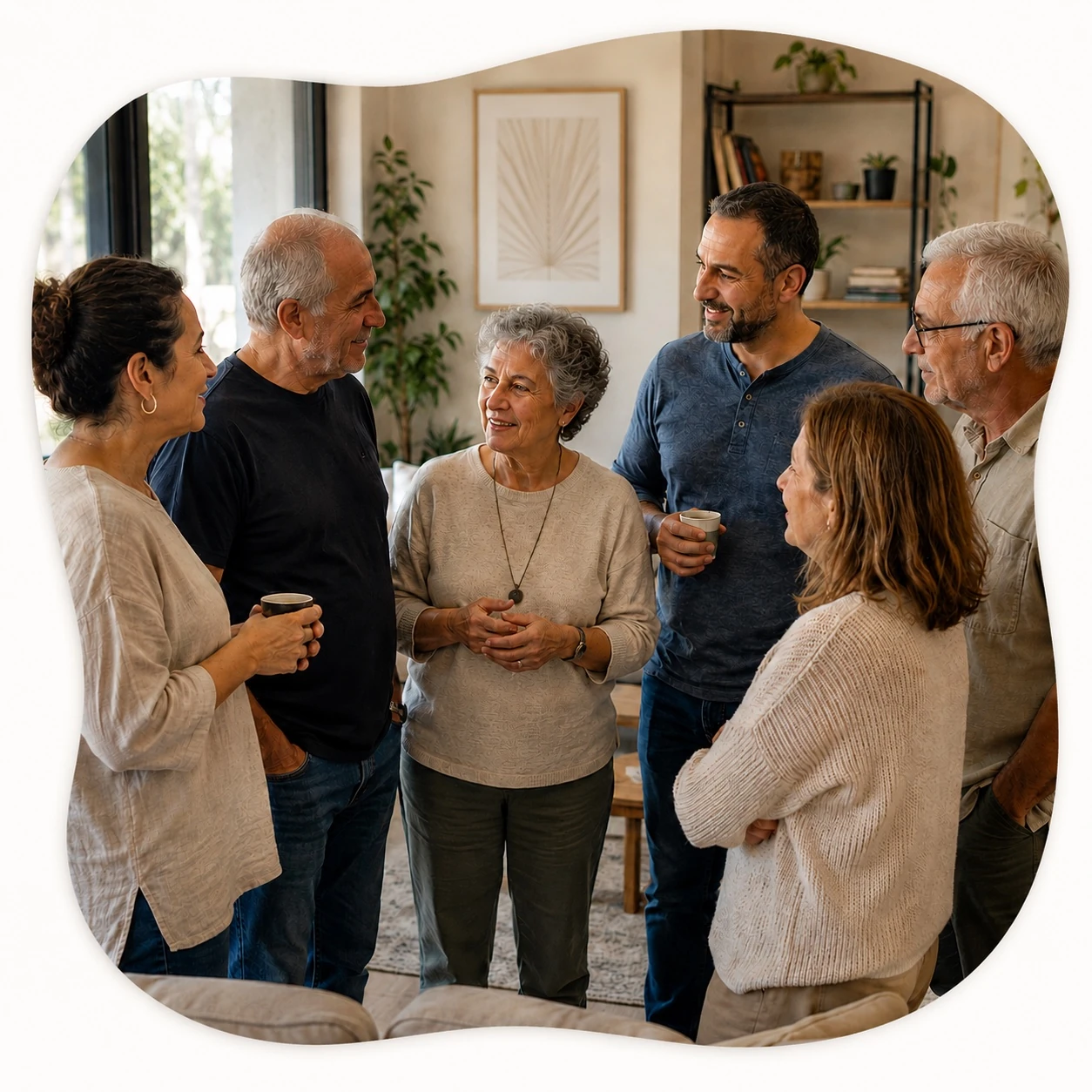
Understanding the disease, creating a smoke-free environment, encouraging moderate activity, and accompanying them to medical appointments. Family members are part of the journey — and the community is here for them too.
Depending on disease severity — medical disability, exemption from certain medication costs, pulmonary rehabilitation in the health basket, home oxygen, and additional rights. You can contact the association for personalized guidance.
Patients, family members and professionals share their journey with COPD.
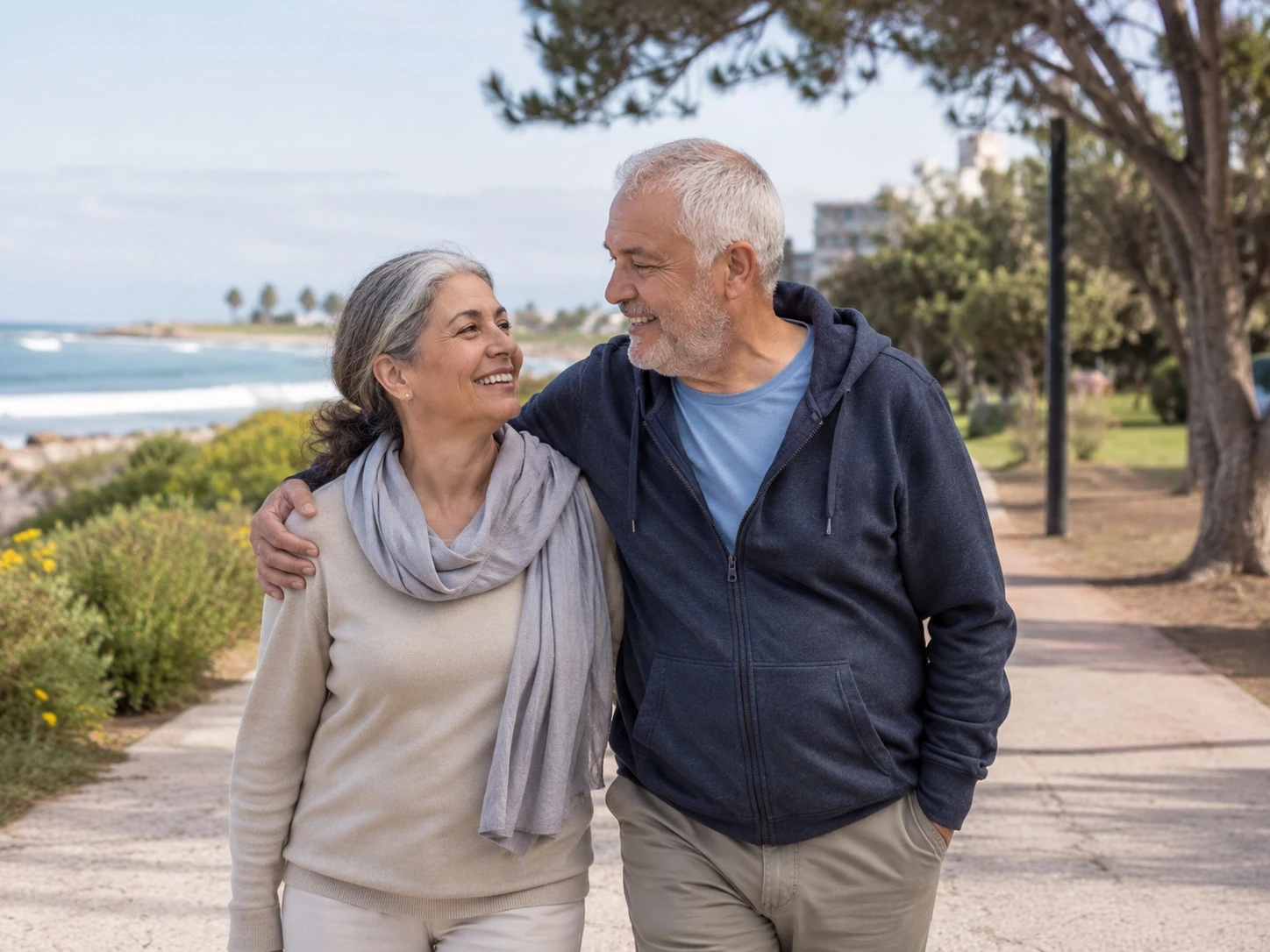
"I smoked for 40 years. Only when I quit did I understand how much my lungs were suffering."
Read Full Story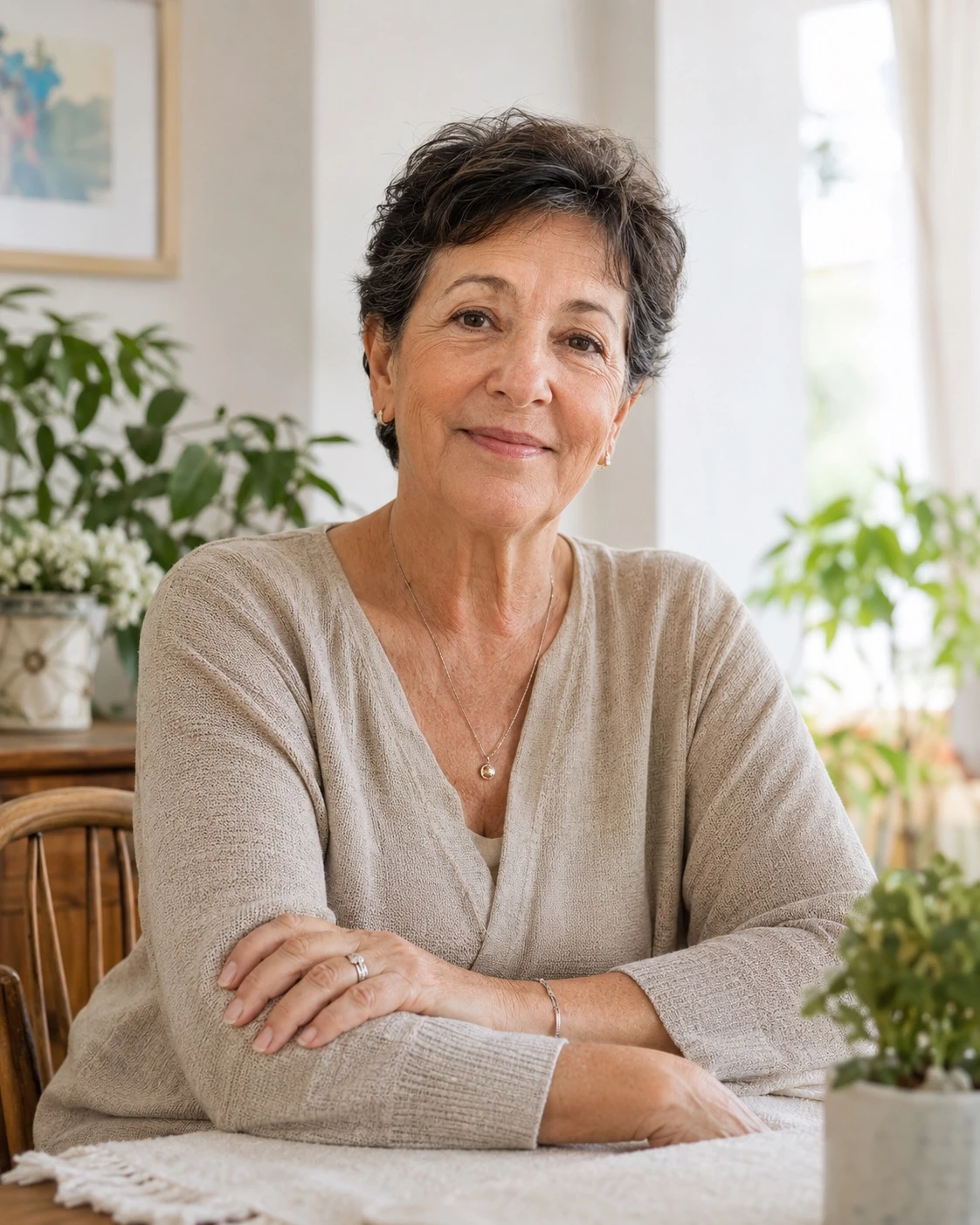
"I never smoked. I was diagnosed at 65 — and I learned it's not just a smoker's disease."
Read Full Story
"I caught it in time. The first step was to stop being afraid of the diagnosis."
Read Full Story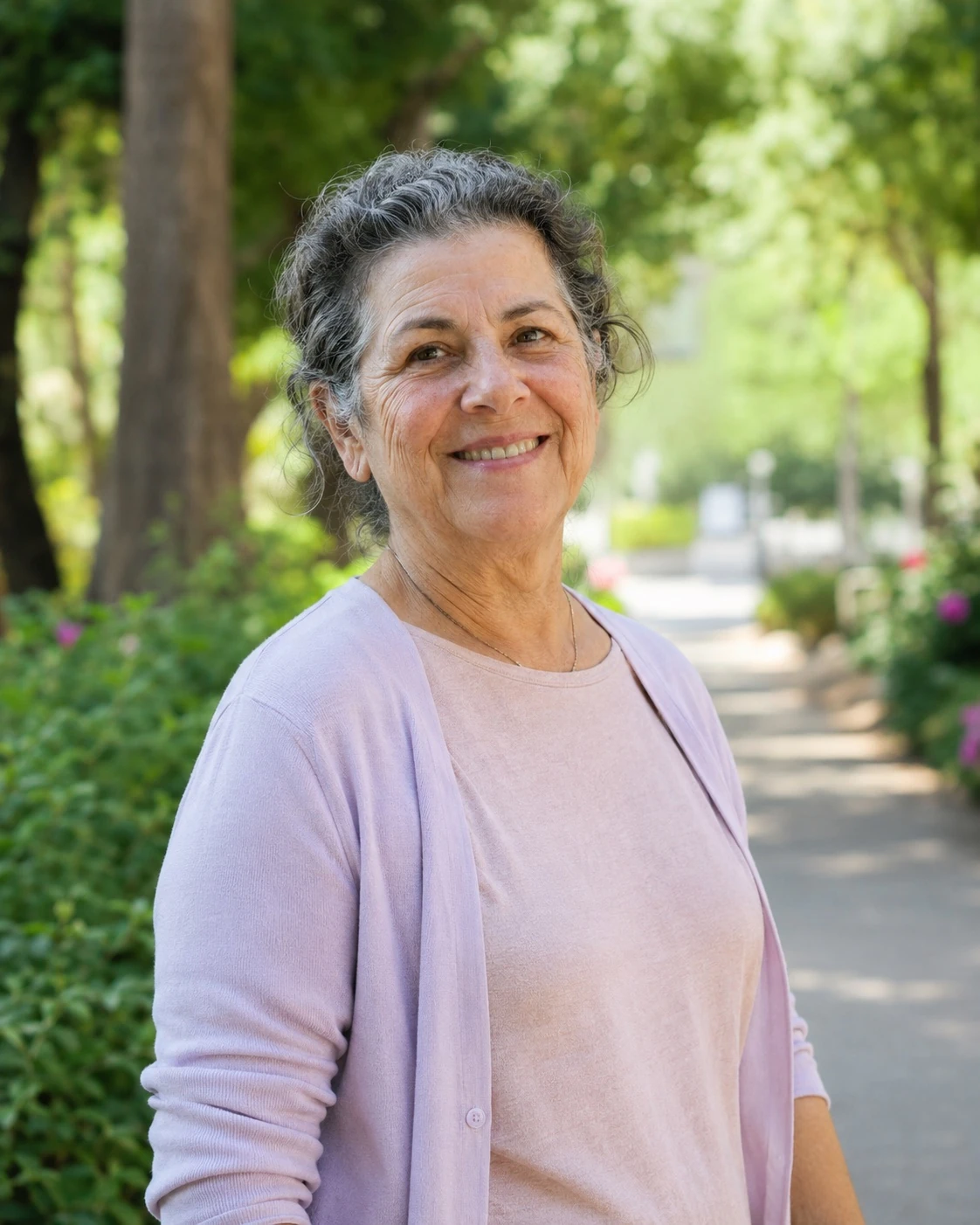
"I thought my life was over. Pulmonary rehabilitation gave it back to me."
Read Full Story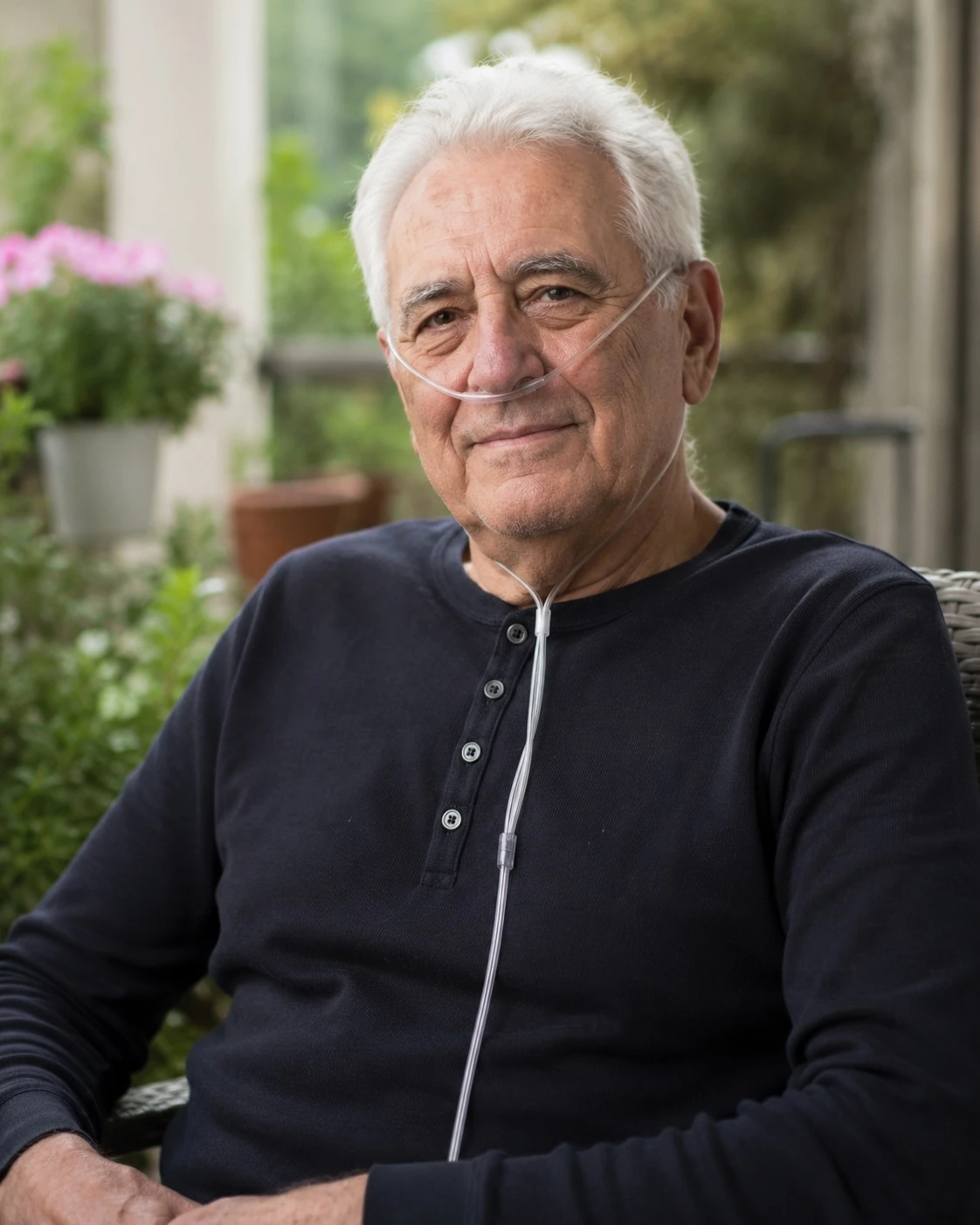
"Even with an oxygen bottle — life is still good. I learned that the hard way."
Read Full StoryUpcoming Event
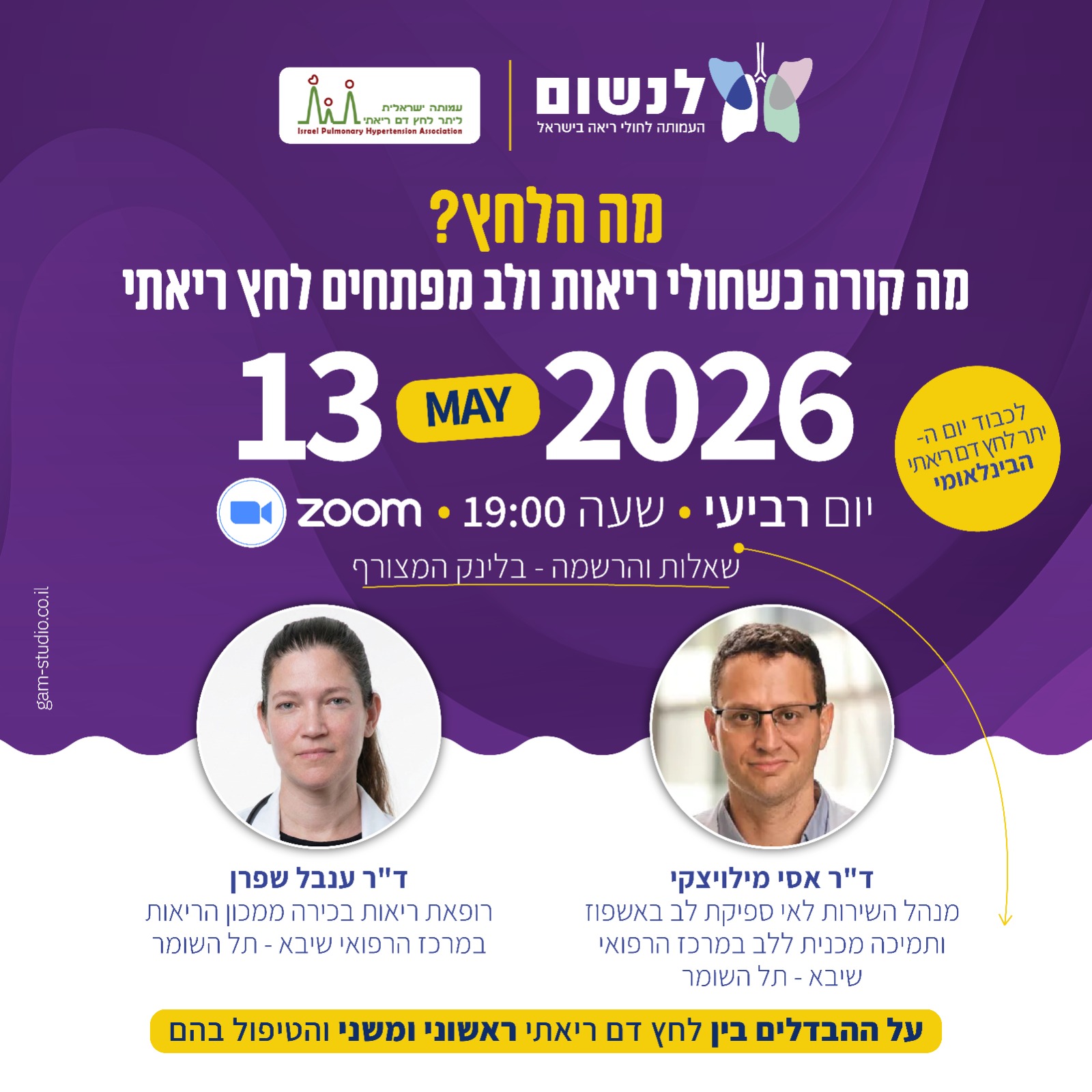
13.05.2026 · Wednesday 19:00 · On Zoom
What happens when lung and heart patients develop pulmonary hypertension? On the differences between primary and secondary pulmonary hypertension, and how they are treated.
Featuring Dr. Inbal Shapran (Lung Institute, Sheba) and Dr. Assi Milwitzky (Heart Failure Service, Sheba).
Join the COPD support community — a place of information, guidance and friendship with people who understand your journey.