The Diagnosis
I started undergoing medical tests, and then came the moment when the doctor told me I had a lung disease called IPF — Idiopathic Pulmonary Fibrosis.
I didn't know what that meant. Like many people, I went home and opened "Doctor Google." I read articles, research, explanations. What I saw there frightened me greatly — I understood that this is a disease that progresses over time, and sometimes the only treatment at an advanced stage is lung transplantation.
At that moment I felt my life was over. I sat in the living room and cried. I was certain I wouldn't get to see my children grow up.
"The ability to say 'I'm afraid', 'It's hard', 'I need help' — actually gives real strength."
The Disease in the Closet
But instead of sharing — I chose to hide. I decided to put my disease in the closet.
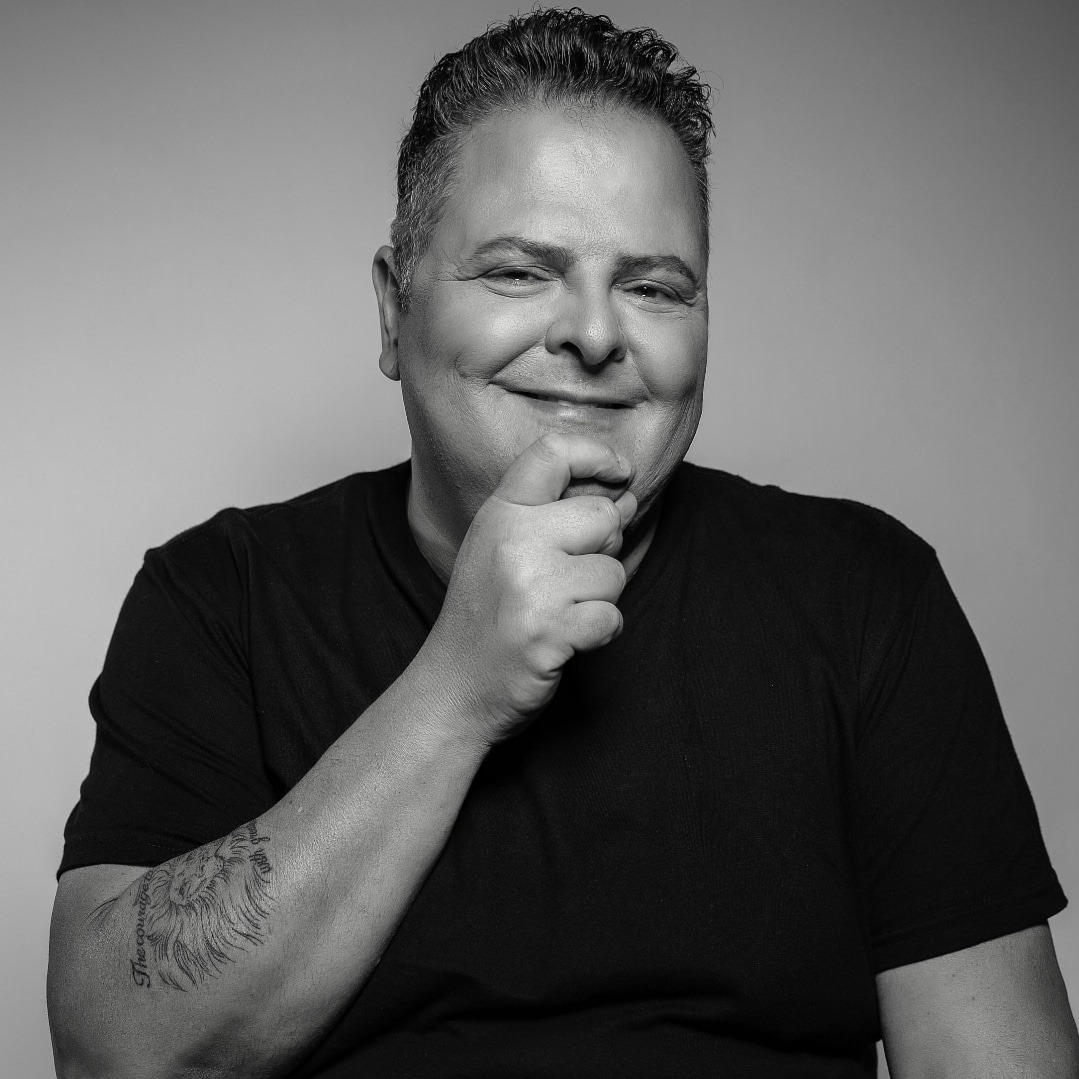
Because I'm a makeup artist, I knew very well how to create a perfect appearance outward. I kept working, kept smiling, kept showing that everything was normal. But inside I was scared and broken.
I tried to make sure no one heard me coughing. I told everyone it was an allergy. Even when steroid side effects appeared — swelling and weight gain — I found other excuses. And meanwhile, the disease kept progressing. At some point I simply stopped going to appointments. I didn't want to know.
The Flight to Berlin
I continued this way until one day, on a flight to Berlin for a vacation. During the flight I suddenly felt like I had no air. My fingernails started turning blue, and the flight crew gave me oxygen.
From that moment a period of hospitalizations began — in and out of hospitals, until eventually I left one connected to oxygen. And then there was no way to hide anymore. A small plastic tube in my nose did what I'd tried to avoid for years — it took both me and my disease out of the closet.
Coming Out
That moment on the plane was hard, but it was also liberating. When I came out of the closet with my disease, people's reaction surprised me. Instead of rejection, I received acceptance. Friends, family, work colleagues — they all showed me love and support.
I learned that vulnerability is not weakness. The ability to say "I'm afraid", "It's hard", "I need help" — actually gives real strength. Today I take care of myself, I share my story, and I try to help others understand that this isn't something to be ashamed of or hide.
מה שלמדתי
ברגע ששיתפתי את המשפחה והחברים, פתאום הרגשתי שיש לי כוח להתמודד. הבנתי גם: להראות חולשה זה לא דבר רע. דווקא היכולת להגיד "אני מפחד", "קשה לי", "אני צריך עזרה" — נותנת כוח אמיתי.
אל תישארו עם זה לבד. אל תסתירו את המחלה ואל תפחדו לבקש עזרה. המשפחה, החברים והצוותים הרפואיים יכולים להיות מקור עצום של כוח. ואל תחכו לרגע שבו תאבדו את הבריאות כדי להבין כמה החיים יקרים — תחיו כאן ועכשיו.
"Vulnerability is strength, and sharing our struggles makes us human."
— Tiran Chamneni