The asthma that never went away
What I do know is one clear thing: the asthma never went away.
Over the years I was told many times: "It will go away during adolescence." "After a certain age it will calm down." "After menopause it will improve." But that never happened for me. Asthma stayed with me throughout my life — and sometimes in a very severe form.
For many years, treatment of attacks was mainly emergency injections. At first I was given medications like Kofstamine, and later adrenaline injections. If I got to treatment in time — the attack would calm down.
"When I managed to blink, I felt enormous pressure in my chest — they explained to me later that it was because of the resuscitation."
The moment I will never forget
Someone who has not experienced a severe asthma attack struggles to understand how frightening it is. When I have an attack, it's not just a feeling of shortness of breath. It's a feeling of complete suffocation — as if the body just can't take air.
One morning I woke up with a particularly severe attack. There was no dust, no smoke, no clear trigger. I was just completely choking. I immediately injected myself with adrenaline — and it didn't help. I tried an EpiPen — and that didn't change the situation either.
At that moment I ran to the shower — because for me it's a "cleaner" place to breathe. I stood there, looked at myself in the mirror and said to myself: "I'm dying."
My partner saw that something very serious was happening and called an ambulance. I barely remember the moments that followed. But I do remember hearing voices calling to me: "Anat, wake up." "Anat, if you can hear us — blink your eyes."
At that moment I realized I was probably not entirely here. When I managed to blink, I felt enormous pressure in my chest — they explained to me later that it was because of the resuscitation. The first thing I said to the staff was: "I'm not going to the hospital." Simply because I had been in hospitals so many times already. But the doctors explained to me that I had suffered a very severe episode of asphyxiation, and there was no choice.
Asthma — not always "mild"
This event was a jarring moment for me. Because many people think asthma is a mild disease. A small inhaler in your pocket, a few puffs — and everything is fine. But the truth is there is asthma — and there is severe asthma. Severe asthma can be a very dangerous disease, and even life-threatening.
Today, fortunately, medicine is in a completely different place. There are new treatment methods that didn't exist before — including advanced biological treatments that allow better control of the disease. But living with asthma still requires awareness, adherence to treatment, and a deep understanding of the disease.
My message
Don't underestimate the disease. Even if it sometimes seems mild — attacks can be very dangerous. It's important to find a doctor who supports you, to understand your disease and to follow appropriate treatment.
And most importantly — remember that you are not alone. Today there is more knowledge, more treatments and more community that supports and understands. And you can learn to live with asthma in a better and safer way.
"Don't underestimate the disease — and remember that you are not alone. You can learn to live with asthma in a better and safer way."
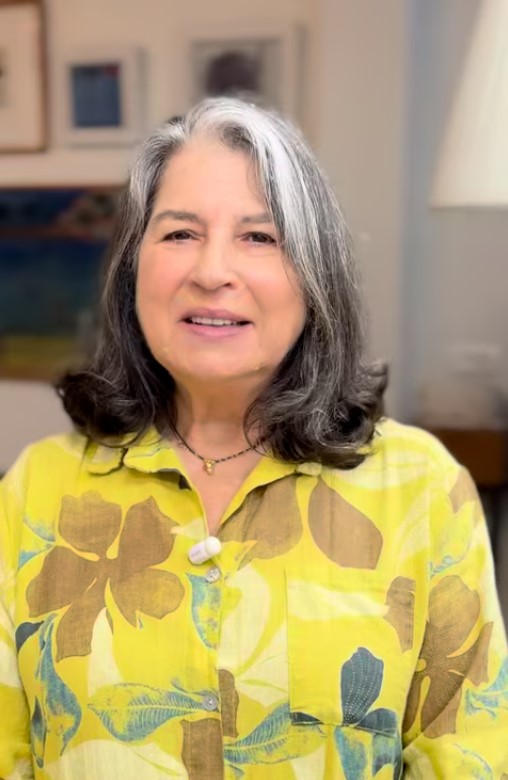
— Anat Yaari